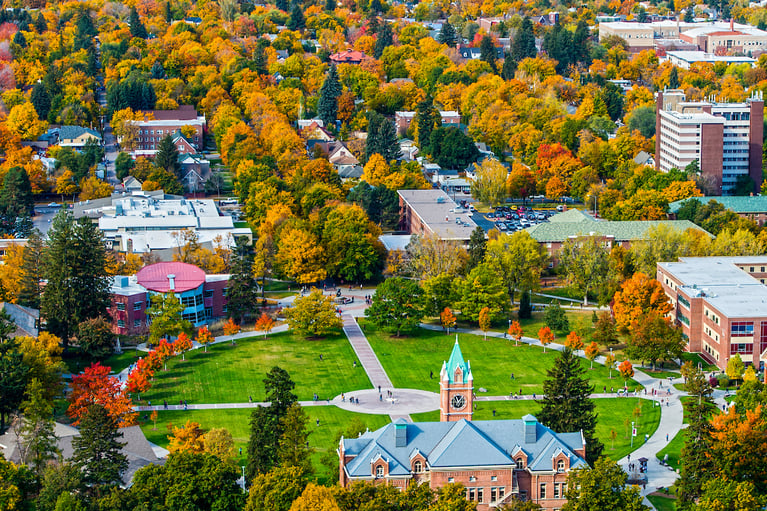
Heading to a college of university after high school is a big decision – one that no student should make alone. As a parent or guardian, you are the #1 resource for helping and supporting that decision. Several factors come into play when choosing the right college or university, and there are several ways you can help guide your student down the right pathway.
Scroll below for everything worth considering for your prospective student, and the ways you can help them find a future that makes them happy, healthy and financially secure.
Cost and Tuition

Tuition costs are a major factor in deciding what college or university to attend, or whether to attend college or university at all. In-state tuition versus out-of-state tuition, or eligibility for the Western Undergraduate Exchange (WUE), is one of the first considerations, followed by the availability of financial aid, including scholarships, grants and work-study eligibility.
Most universities, including the University of Montana, have a financial services department that can help you understand the true cost of attendance and apply for financial aid. While tuition itself offers a picture of what it costs to attend any university, these departments also consider other costs, including campus fees, cost of living and everything else that adds to the total cost of attending college.
-
Learn More: Visit Student Financial Services at UM
-
Read More: How Do I Pay for College?
-
Read More: UM’s Top Five Tips for Filling out the FAFSA
-
Read More: How to Save Money in College
Available Programs and Pathways
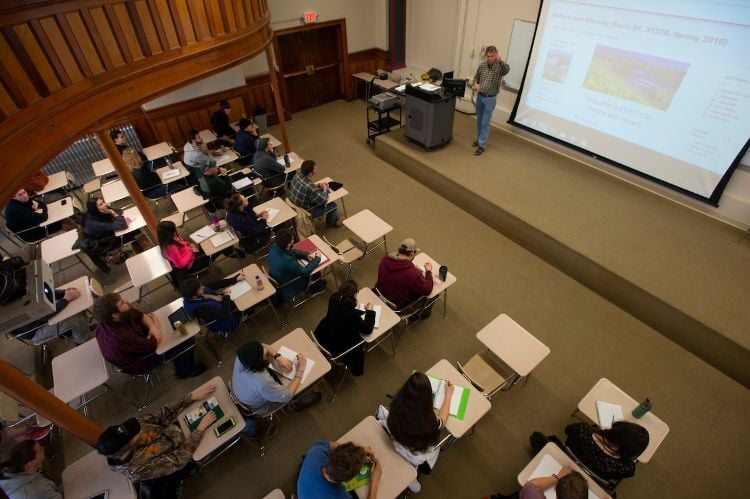
If your student wants to be an accountant, go to a university with a business school. Welder? Find a technical trades school. Teacher, engineer, healthcare worker? Find the right university with the programs that facilitate the intended career pathway. Simple enough, right? But what if your student isn’t exactly sure what they want? Or they want to have options to explore?
It’s well worth the time to explore the career pathways offered by a college or university – not just the ones that hold specific interest to your student. Switching majors is common within every student body. For this reason, also pay attention to the classes that all students are required to take, i.e., the general electives, to see what courses and classes your student will be exposed to during their first year.
-
Learn More: Explore UM’s Online Program Finder
-
Read More: Do You Need a Major to Start College?
Career Resources

Time spent at college or university is time spent building valuable relationships, expanding perspectives and maturing into a well-rounded and more sociable adult. But the bottom line of higher education is turning that tuition and time into a fulfilling, financially secure career. And it’s not just the degree that opens that door. It’s also about the departments and resources that provide tangible, concrete career support.
Internship placements, career readiness courses, job fairs, networking opportunities, dedicated career coaches and departments devoted to student success after graduation are some things you’ll want to look for in a university. This includes alumni departments who celebrate and help guide students long after graduation.
Learn More: Explore Experiential Learning and Career Success at UM
Learn More: Explore University of Montana Alumni Association
Read More: Your Guide to Getting a Student Job
Read More: How UM is Redefining Career Success
Is the Environment the Right Fit?

The cost is manageable, the programs are available, and career resources are offered – but is it a good fit? Does the campus culture encourage your student to get out and benefit from all the positive experiences higher education can offer? If your student feels like an outsider, can’t make connections or simply feels so far out of place that it doesn’t spark the growth you’re hoping for, then maybe that college or university is not the right choice.
Campus tours, talking to current students and paying attention to how a university talks about itself are good places to start determining if your student will find their place outside of the classrooms. Previewing the slate of extracurriculars also can lend insight into what student life is all about:
Student Clubs
Student clubs are a great way to get out of the residence hall, explore interests and make friends. Read More: How to Join a Student Club at UM.
Campus Events
What events are offered that allow your student to explore knowledge, meet people and have a little fun? Read More: Must Do Experiences While Attending UM.
Athletics
Athletic events are a backbone of several universities’ social atmosphere. From football games to pep bands and all the excitement of game day – a school’s spirit is often best found in a crowd of people cheering on the home team. Read More: Grizzly Athletics – Who to Cheer For and When.
Well-Being Resources
Well-being comes in many forms. Physical, mental, and social are some of the most talked about, but well-being also includes intellectual, financial and spiritual. How does the university of college support the whole self? Read More: Where to Get Wellbeing on Campus & Beyond.
College Town
Not only should campus be a good fit, but the surrounding college town can also make a big impact on how your student feels about belonging. How does the larger community fit into the picture? Read More: What to Do in Missoula
Additional Tips for Supporting Your Future College Student

There's no exact recipe for supporting your student and their college decision. Every relationship is as unique as the individuals involved. But that doesn't mean some general advice doesn't apply! Check out these other tips for supporting your student in finding the right college or university for them:
Let Them Lead
Your student has made it through all levels of primary education to get to this point. Let them lead and make their own decisions about where they want their life to go. While some guidance is always welcome, they’ll be the ones living through their college decision.
Offer Structure
The college application process includes deadlines, dates and a small catalog of logistics. Make it easier by organizing some of the to-dos with clear deadlines for when they should get done.
Reassure Them the Future is Bright
Most first-year students experience some anxiety about going to school, and while that’s natural, take time to assure them they’ve made the right decision and that their future is heading in the right direction.
Let Them Know They Are Ready
The unknown is always hard to face. Higher education is different than high school, but if they’ve made it this far, they have the tools they need to succeed. A dose of confidence can go a long way in finding success in college or university.